
Doctor or Optometrist? It depends on your symptoms
Good vision matters more than most people realise until it starts playing up. If you have been squinting all day or trying to get by with one eye closed, you already know it is not a great plan or even sustainable going forward. The right person to see depends on what is going on and how severe it feels.
Ensuring optimal eye health involves recognising the right time you should consult an optometrist or a GP. However distinguishing between the two can be really confusing. In this article we aim to shed light on when it's best to see an optometrist and when it might be more appropriate to see a doctor.
Optometrist: your first stop for eye care
An optometrist is a qualified health care professional who checks your vision and the health of your eyes. They can prescribe glasses or contact lenses and they can help manage common eye conditions and problems.
When to see an optometris
1. Routine check ups
Regular eye tests are important even if everything feels fine. Eye exams can pick up problems early including glaucoma and macular degeneration.
2. New vision changes
Blurred vision, double vision or trouble seeing up close or far away are all indications to get your eyes checked.
3. Tired or strained eyes
Long screen sessions and lots of reading can make your eyes feel sore or tired. An optometrist can recommend treatments, or prescribe glasses that can alleviate eye strain. They can also advise you on different types of contact lens that are designed specifically for people who spend long hours on digital devices.
4. Contact lens fitting or discomfort
If you want to try contacts, switch from glasses to contacts, switch type or your current lenses feel uncomfortable then an optometrist can check the fit for you, and if needed suggest a better option.
5. Minor irritation
If you have dry eyes, mild redness or any allergy symptoms these can be managed with simple treatments, advice, and prescriptions from an optometrist.
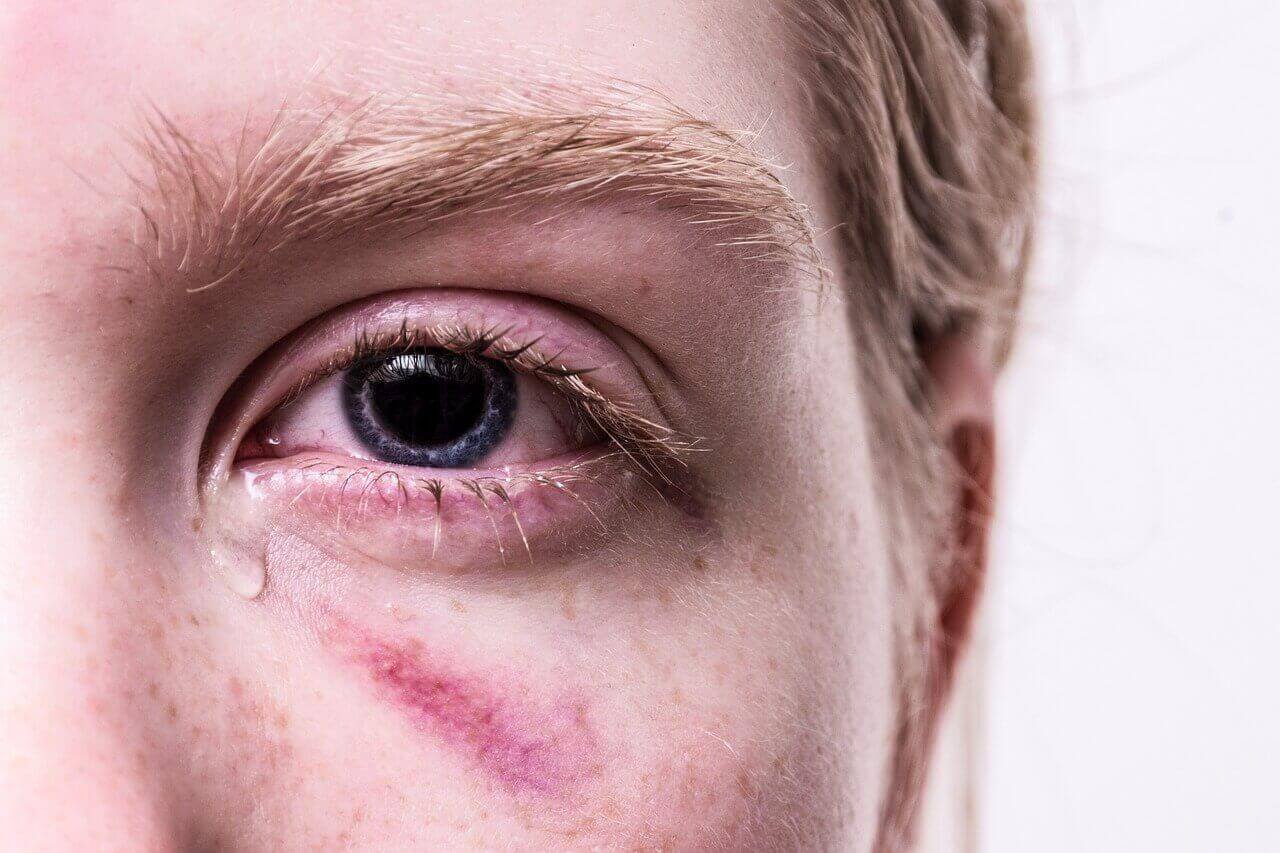
Doctor: When it may be more serious
A GP or an eye doctor such as an ophthalmologist deals with wider medical issues especially when your symptoms are severe or sudden.
When you should seek urgent medical help
1. Severe eye injury
If you have a serious eye injury, such as a chemical burn or sudden severe eye pain. Go to A&E or, in an emergency call an ambulance immediately.
2. Constant pain and redness
Minor irritations can be addressed by an optometrist, however, if pain and redness do not settle, especially if you also have headache or nausea get urgent medical advice. This can be a sign of a serious condition such as acute glaucoma.
3. Sudden vision loss or flashes
Sudden vision loss or seeing new flashes and floaters could indicate retinal detachment, and need urgent assessment. Go to A&E as retinal problems can be time critical.
4. Health conditions that affect eyes
Diabetes and high blood pressure can affect your eyes. Keep up with regular reviews and ask if you need checks with an ophthalmologist.
5. Eye surgery
Cataract removal and laser procedures such as LASIK are handled by an ophthalmologist who specialises in eye surgery.
Conclusion
While there is some obvious overlap in the services provided by optometrists and doctors understanding their distinct roles will help guide you in seeking the right care you need at the right time you need it. Sometimes your optometrist might detect an issue that needs a doctor's intervention and will of course refer you accordingly. The crucial point here for you to remember is that you need to be proactive about your eye health because early detection and timely intervention, whether by an optometrist or a doctor are essential for maintaining good vision and overall health.