What You Should Know Before You Get Contact Lenses
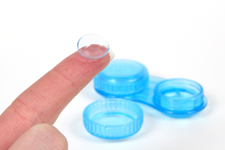
Contact lenses are small thin lenses that are applied directly to the eye to provide vision correction. Today, they are one of the most popular ways to correct vision problems and they are worn successfully by an estimated 140 million people worldwide.
In most cases, modern contact lenses are manufactured from a special type of soft plastic called silicone hydrogel. This material is gas permeable, meaning that it allows oxygen to travel through the plastic and to the surface of the eye.
Contact lenses have been around longer than you think. The history of contact lenses can be an interesting topic to explore and while the technologies used to make corrective lenses today only go back around 50 years, Leonardo da Vinci was the first person to consider the idea of contact lenses in the 16th century.
Why Should I Choose Contact Lenses?
There are many reasons that people choose to wear contact lenses instead of eye glasses. This can include
- Contact lenses are easy to use and don't have an effect on the wearer's appearance.
- Contact Lenses are the safer option for those who lead active lifestyles, eye glasses can be cumbersome and sometimes dangerous during sports, as the lenses and frames can break, causing damage to the eyes.
- Contact lenses don't fog up in cold weather like spectacles
- Contact lenses offer an uninterrupted field of vision compared to eye glasses.
If you don't want to wear spectacles, laser eye surgery is another option. But many are wary of this technology and the non-invasive nature of contact lenses can be a much more attractive solution.
What Kind Of Contact Lenses Are Available?
For many years, a person who wanted to wear contacts would buy a single pair and wear it for up to a year. They would be required to spend quite a lot of time and money keeping their lenses clean.
Today, contact lenses can be used to treat a wide range of vision problems, including astigmatism, presbyopia, hypermetropia and myopia and most lenses are disposable, either monthly, daily or for extended wear versions offering a much wider choice. Your lifestyle and the time you want to invest in taking care of your lenses will help determine which is the best type for you.
Daily Contact Lenses
A great option if you are new to contact lenses, they are comfortable, healthy, easy to take care of and fit in with most lifestyles. Simply wear it once and throw it away.
Weekly disposable contact lenses
Weekly disposable contact lenses are the new kid on the block, they fit nicely between 2 weekly and Daily disposable lenses. They have been designed to be worn daily for up to 7 days (not nights) before being replaced with a fresh pair.
Two weekly Contact Lenses
Very similar to the monthly disposable lenses, but healthier as they are designed to be replaced after 2 weeks they require removing, cleaning and storing every evening.
Monthly Contact Lenses
These come in a wider variety of fitting options, suitable for almost every eye care need and often the lens of choice for people with high-power prescriptions. Designed to be worn for up to 30 days during the day and removed at night for cleaning and storage.
Extended Wear Contact Lenses
Extended wear contact lenses, may be worn overnight as well as during the day, where specially approved by an optometrist. Depending on the particular lens and the wearing schedule prescribed, this may range from several nights to, for some lenses, up to 30 days.
Extended wear is not suitable for everyone and should only be undertaken following an assessment by your optometrist. Sleeping in contact lenses increases the risk of serious eye infection, including when lenses are being worn as part of an approved extended-wear schedule. Regular aftercare is therefore particularly important.
Follow the wearing and replacement schedule prescribed for your particular lenses. If reusable extended-wear lenses are removed and are going to be worn again, they should be cleaned and disinfected before reinsertion according to the manufacturer's and your optometrist's instructions.
Extended wear contact lenses can be used to treat a wide range of vision problems, including astigmatism, presbyopia, hypermetropia and myopia.
Coloured Contact Lenses
Coloured contact lenses can either enhance or completely change your eye colour, and are available as prescription contact lenses and Plano (no prescription). So even if you don't need your eyesight corrected, you may choose to wear coloured contact lenses to enhance your appearance.
Can I Buy Contact Lenses Without A Prescription?
All contact lenses are medical devices, regulated by the government. Prescription contact lenses and cosmetic contact lenses all require a prescription from an Optometrist or an Eye Doctor, this ensures they correct your vision and fit correctly, and reduce the risk of complications such as infection and inflammation that can lead to vision loss or blindness.
Are Contact Lenses Safe?
When used correctly contact lenses are a safe, comfortable and convenient way of correcting your vision. Used incorrectly, they can cause complications, such as irritation, infection and more serious eye issues.
According to a leading contact lens manufacturer, Coopervision, there are some simple steps you can do to increase the safety of wearing contact lenses:
- Buy contact lenses from a legitimate source.
- Keep your contact lenses well cared for and clean.
- Follow all the instructions around your contact lenses and lens products.
- Stick to your wear and replacement schedule.
- Talk to your Optometrist if you’re thinking about using contact lenses.
Your eyes should be tested at least every two years, and those over 70 should get an eye test every year. Depending on your age and other circumstances, you may also be eligible for free eye tests on the NHS.
If you're looking to buy lenses, Contactlenses.co.uk offers a fabulous range of products to choose from, with affordable items to suit every requirement.